The Economic Engine: Oil, Energy, and Beyond
Uganda's growth trajectory is fueled by the imminent start of crude oil production in mid-2026, expected to peak at 230,000 barrels per day and generate substantial revenues for reinvestment into infrastructure and diversification. The East African Crude Oil Pipeline, now79% complete, will enable exports by late 2026, while oil and gas revenues are earmarked to fund the nation's Energy Transition Plan toward carbon neutrality by 2050.
In parallel, the energy sector has achieved milestones like the full commissioning of the 600MW Karuma Hydropower Plant, boosting installed capacity to over 2,000MW and positioning Uganda as a regional electricity exporter. Plans for nuclear power, including the 8,400MW Buyende plant by 2031, underscore a commitment to affordable, sustainable energy that supports industrial growth. For investors, this means opportunities in renewable projects, grid expansion, and energy logistics, backed by $2 billion in recent financing for storage and terminals.
Mining: The Critical Minerals Frontier
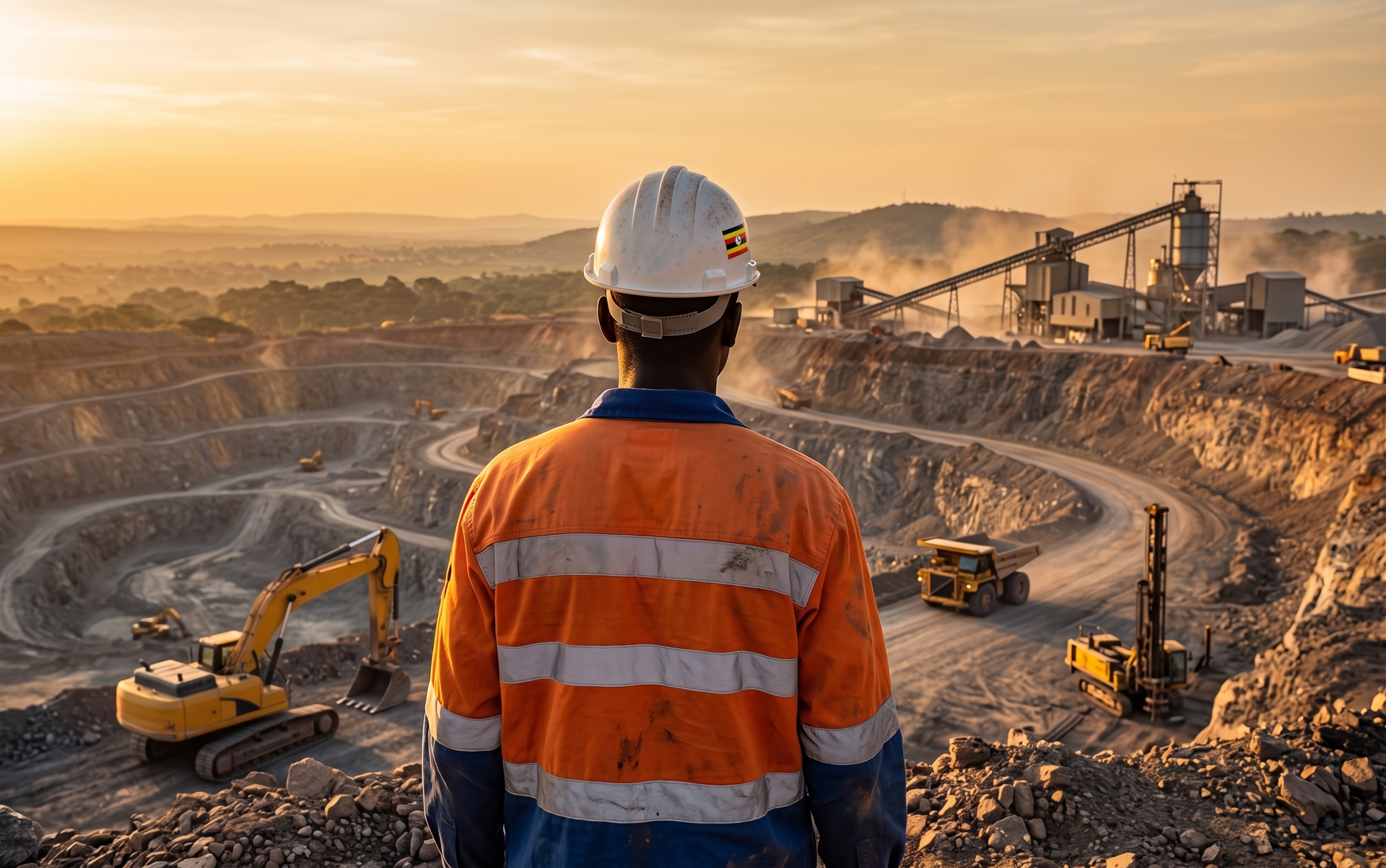
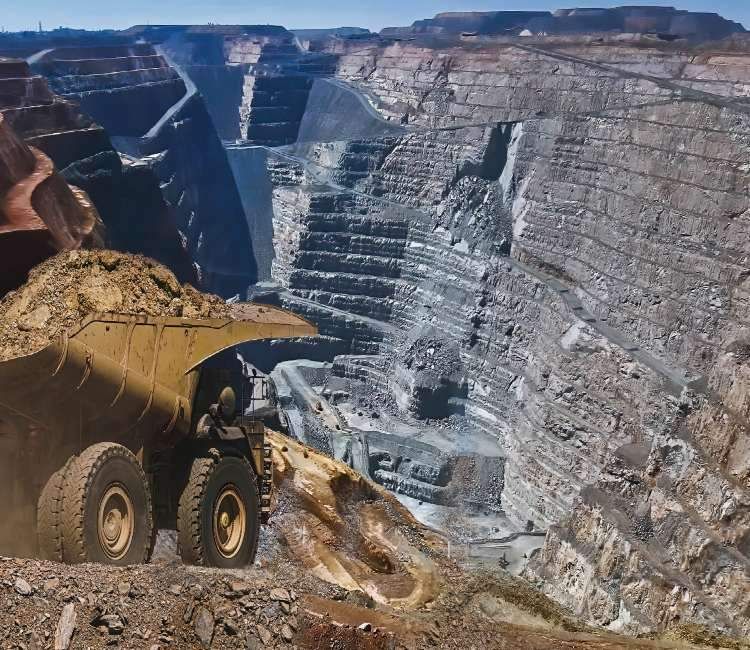
Uganda's mineral wealth is a cornerstone of its expansion, with deposits of gold, rare earth elements (REEs), lithium, tungsten, copper, and cobalt drawing global attention. The inauguration of the country's first large-scale gold mine in 2025 signals a shift from artisanal operations to industrial-scale production, aiming to boost exports and value addition.
Government policies emphasize local beneficiation, transitioning Uganda from a raw exporter to a processor of high-value minerals, which could quadruple demand by 2040.
Regions like Karamoja and Lamwo host substantial REEs and base metals, with ongoing surveys revealing investment-ready prospects. The mining sector is set for renewed activity, including the resumption of Kilembe copper mines in Q2 2026. JV partners can leverage incentives for exploration, processing, and tech transfer, aligning with global demand for critical minerals in EVs, renewables, and tech.
Infrastructure as the Backbone
To sustain this growth, Uganda is investing heavily in transport, power, and industrial parks, with the Fourth National Development Plan prioritizing value addition in minerals, agriculture, and ICT. Challenges like limited paved roads are being addressed through strategic projects, enhancing connectivity and reducing costs for resource extraction. This creates JV opportunities in logistics, utilities, and site development, supported by peace, stability, and rising FDI i. n extractives.
Why Partner with Memnon Capital Africa?
At Memnon Capital Africa, we're actively expanding our mining portfolio in Uganda, securing high-value concessions in gold, REEs, lithium, and tungsten. Our integrated approach—combining exploration, equipment leasing to artisanal miners, and partnerships with firms like K-MINE and Baran Group—ensures efficient, scalable operations. By positioning your capital here, you gain access to proven assets, regulatory alignment, and shared production models that deliver strong returns while contributing to local development.
Uganda's structural expansion is more than a trend—it's a calculated opportunity. Contact Memnon Capital Africa today to explore JV partnerships and invest in East Africa's rising powerhouse.